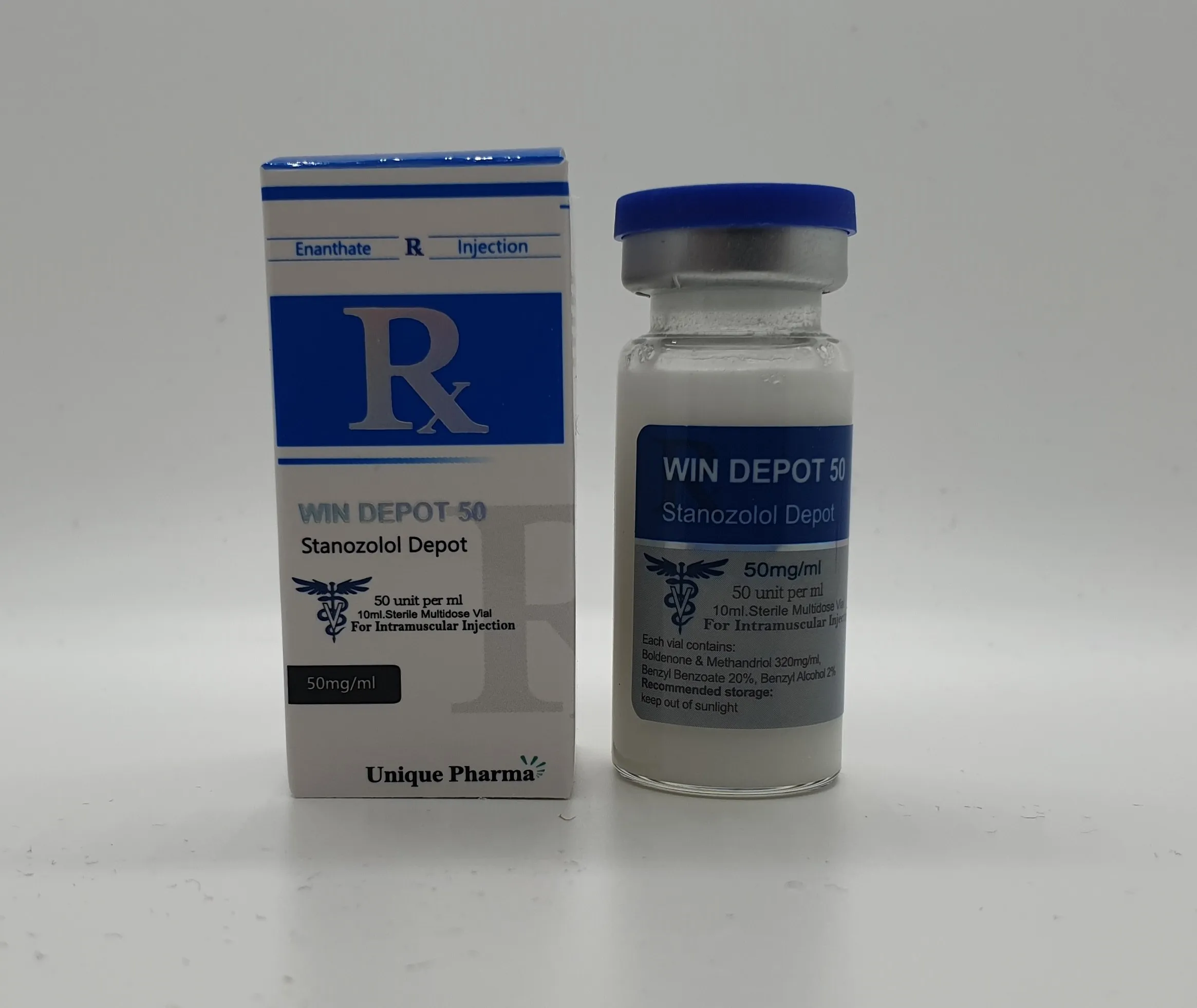
1. Description — Clinical summary
Winstrol (active compound stanozolol) is a synthetic anabolic-androgenic steroid (AAS) derived from dihydrotestosterone (DHT). It is available in oral and injectable formulations; “Winstrol Inject 50 mg/mL” is an aqueous injectable suspension containing stanozolol at 50 mg per mL intended for intramuscular use.
Historically stanozolol has been used for a small number of approved medical indications (for example certain wasting conditions and hereditary angioedema in some countries), but its approved therapeutic uses have become limited in many jurisdictions. It is a controlled substance in many countries because of its potential for misuse and adverse effects. Use should be limited to situations where a prescriber has judged the benefits to outweigh the risks.
Key clinical points:
- Class: synthetic anabolic-androgenic steroid (DHT derivative).
- Formulation in question: intramuscular suspension, 50 mg/mL.
- Clinical use: specific and limited therapeutic indications under physician guidance; many uses are off-label or non‑medical (performance enhancement), which carry significant risk.
2. How does winstrol work? — Mechanism of action
- Receptor binding: Stanozolol binds to the androgen receptor (AR) in target tissues (muscle, bone, erythroid progenitors, etc.). The AR–stanozolol complex modulates gene transcription to increase anabolic activity.
- Anabolic effects: Promotes protein synthesis, nitrogen retention, increased muscle mass and strength, and stimulates erythropoiesis (increases red cell production).
- Androgenic profile: Because stanozolol is a DHT derivative, it does not undergo aromatization to estrogens — so estrogenic side effects such as water retention and gynecomastia are typically minimal. However, it still has androgenic activity and can produce virilizing effects.
- Hepatic metabolism: Stanozolol is 17α-alkylated (like many orally active AAS), which affects hepatic handling and contributes to hepatotoxic potential. Even injectable forms may be associated with liver enzyme abnormalities.
- Endocrine suppression: Exogenous stanozolol suppresses the hypothalamic–pituitary–gonadal axis (↓ LH/FSH → ↓ endogenous testosterone production), potentially causing testicular atrophy and infertility while in use.
3. Dosage — Medical and varying usage guidelines
Important general guidance:
- Dosing must follow an official product monograph and a licensed prescriber’s directions. Stanozolol is a prescription medication with potentially serious adverse effects; do not self‑medicate.
- Therapeutic (approved) dosing varies by indication and country; many former medical uses have been superseded by safer alternatives.
- Non-medical (athletic/bodybuilding) dosing commonly seen in the literature is typically higher than therapeutic dosing and carries greater risk. The information below is informational only and is not a recommendation to use.
Typical administration and dosing considerations for injectable stanozolol (informational):
- Route: Intramuscular injection (suspension). The suspension requires thorough shaking before dosing to ensure uniform distribution of the active drug.
- Frequency: Because of its pharmacokinetics as a suspension, common schedules reported include injections every other day or several times per week rather than a single weekly injection. Injection-site pain is a known issue with this suspension.
- Medical/therapeutic doses: These are generally low and individualized by indication and patient factors. Product monographs should be consulted for exact therapeutic regimens used in the specific licensed indication.
- Non-medical patterns (reported in literature; associated with higher risk):
- Men: commonly reported ranges ~25–100 mg every other day or 50 mg daily; cycles often limited to 6–8 weeks. (These practices are not medically recommended.)
- Women: much lower doses to reduce risk of virilization — commonly reported ~5–10 mg daily (oral) or 25 mg IM two times weekly for injectable forms in reports; however women remain at high risk for irreversible virilizing effects even at lower doses.
- Duration: Short cycles (several weeks) are often reported in non‑medical use because of cumulative toxicity; long-term use increases risk of hepatotoxicity, cardiovascular harm, endocrine suppression, and other complications.
Monitoring and precautions with any stanozolol therapy:
- Baseline and periodic: liver function tests (AST, ALT, bilirubin), fasting lipid panel (HDL, LDL, triglycerides), complete blood count (hematocrit/hemoglobin), blood pressure, and, for older men, PSA. Pregnancy test for women of childbearing potential.
- Avoid in pregnancy and breastfeeding (teratogenic/virilizing effects).
- Adjust or discontinue for significant liver enzyme elevations, cholestatic jaundice, marked dyslipidemia, polycythemia, or cardiovascular events.
Because dosing norms vary and risks are substantial, clinical use should be individualized and limited to prescriber directions informed by monitoring.
4. Side effects — Common and rare adverse effects
Adverse effects can be dose-dependent and are more likely and more severe with higher/longer use. Distinguish common/expected effects from rarer but serious ones.
Common / relatively frequent
- Androgenic effects: acne, oily skin, increased body/facial hair, male-pattern scalp hair loss (in predisposed individuals).
- Virilization in females: deepening of voice, clitoral enlargement, menstrual irregularities, increased body/facial hair — some changes may be irreversible.
- Injection-site reactions: pain, induration, sterile abscess or granulomas (particularly with suspension formulations).
- Mood/behavioral changes: irritability, aggression, mood swings, anxiety.
- Endocrine suppression: decreased endogenous testosterone (men), testicular atrophy, reduced sperm production, infertility.
- Hematologic: increased hematocrit/polycythemia (increased thrombotic risk).
- Lipids: decreased HDL cholesterol, increased LDL cholesterol → increased atherogenic risk.
- Blood pressure elevation (secondary to fluid retention, other mechanisms).
Less common / serious
- Hepatotoxicity: elevation in liver enzymes, cholestatic jaundice, hepatic dysfunction; long-term use of 17α-alkylated androgens has been associated with hepatic neoplasms (adenomas, rare hepatocellular carcinoma) — though rare, this is a serious risk and requires monitoring.
- Cardiovascular events: myocardial infarction, stroke, accelerated atherosclerosis (linked to dyslipidemia and other factors).
- Thromboembolic events: deep venous thrombosis, pulmonary embolism.
- Prostatic disorders: benign prostatic hyperplasia exacerbation or, in men with prostate cancer, stimulation of tumor growth.
- Allergic reactions: skin rash, hypersensitivity to components.
- Rare endocrine/metabolic disturbances: changes in glucose tolerance, lipid metabolism disorders.
Contraindications (typical)
- Pregnancy and breastfeeding.
- Known prostate or breast cancer (in men or women, respectively, when hormone-sensitive).
- Active severe liver disease or hepatic dysfunction.
- Known hypersensitivity to stanozolol or formulation components.
Report promptly to a clinician if jaundice, severe abdominal pain, dark urine, severe mood changes, signs of thrombosis (leg pain/swelling, sudden dyspnea), or symptoms suggestive of cardiovascular events occur.
5. Storage — How to store it
- Keep in original container, tightly closed.
- Store at controlled room temperature as per product labeling (commonly in the range of 15–25°C or 15–30°C depending on manufacturer); avoid excessive heat and do not freeze.
- Protect from light and moisture.
- Keep out of reach of children and pets.
- Do not use after the expiration date printed on the vial.
- For multi‑dose vials: follow manufacturer guidance about sterility and single-patient use; discard any remaining product if sterility is compromised.
- Dispose of needles, syringes, and unused medication following local regulations for medical waste/sharps and pharmaceutical disposal.
Final important notes
- Stanozolol (Winstrol) is a potent medication with known serious adverse effects. It should only be used when prescribed by a qualified clinician who has evaluated the indication, contraindications, and monitoring plan.
- If you are considering or being prescribed this medication, ask your prescriber for the specific product monograph, details on dosing for your indication, required monitoring tests and frequency, and instructions for safe injection technique and disposal.