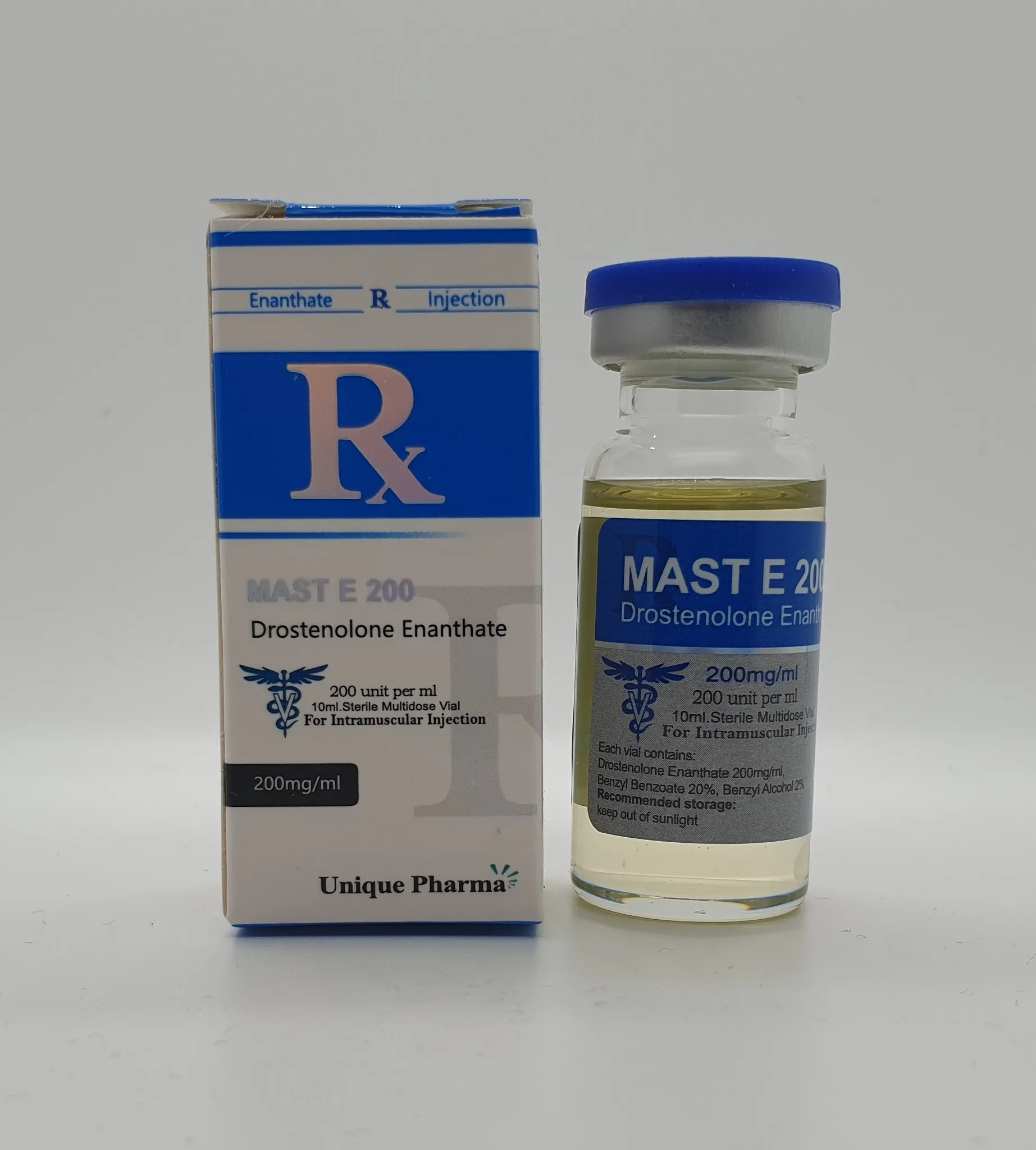
UNIQUE PHARMA QUALITY: Premium pharmaceutical grade Drostanolone Enanthate (Masteron Enanthate) manufactured under strict GMP conditions with 99.8% purity verification.
Masteron Enanthate from Unique Pharma represents our commitment to delivering exceptional quality performance enhancement compounds. Each batch undergoes rigorous testing to ensure consistent potency and purity standards.
Key Characteristics of Masteron Enanthate
This injectable compound is administered via intramuscular injection and remains active in your system for approximately 7-10 Days. Notable features include:
- Pharmaceutical grade manufacturing
- Batch-tested for purity and potency
- Consistent dosing per unit
- Optimal bioavailability
Primary Benefits:
- Enhanced performance and recovery
- Quality-assured formulation
- Reliable and consistent results
- Professional-grade compound
Mechanism of Action
Drostanolone Enanthate works by interacting with androgen receptors in muscle tissue, promoting protein synthesis and nitrogen retention. This creates an optimal environment for muscle development and recovery. The compound's unique molecular structure provides specific benefits that distinguish it from other options in its class.
Usage Guidelines
Unique Pharma Masteron Enanthate is suitable for experienced users who understand proper cycling protocols. Always consult with a healthcare professional before beginning any supplementation regimen. Proper post-cycle therapy should be considered based on individual needs and cycle duration.
Recommended Applications
This compound is commonly incorporated into both bulking and cutting protocols depending on the user's specific goals. Its versatility makes it a popular choice among athletes and bodybuilders seeking reliable results.
Potential Considerations
As with any performance compound, users should be aware of potential effects and monitor their response accordingly. Regular health monitoring is recommended during use. Individual responses may vary based on genetics, diet, training, and other factors.
Quality Assurance
Every Unique Pharma product undergoes comprehensive quality control including:
- Raw material verification
- In-process testing
- Final product analysis
- Stability testing
Warning: Keep out of reach of children. For adults only. Not intended for use by individuals under 18 years of age.
Related products
Other Unique Pharma products
1. Description — Clinical summary
Mast E 200 mg/mL (active compound: drostanolone enanthate, commonly called “masteron enanthate”) is an oil‑based injectable formulation of drostanolone esterified with the enanthate chain. Drostanolone is a synthetic derivative of dihydrotestosterone (DHT) with primarily anabolic and androgenic activity. Historically, drostanolone derivatives were developed and used for certain hormone‑sensitive breast cancers; however, routine therapeutic indications are limited today and the compound is a controlled substance in many countries. Outside of supervised medical use it is frequently misused for physique or performance enhancement.
Key points
- Active: drostanolone enanthate (a DHT derivative).
- Typical concentration in the product named here: 200 mg drostanolone per mL.
- Formulation: intramuscular oil injection (long‑acting ester).
This guide is educational only and not a prescription. Use outside medical supervision is associated with legal and health risks.
2. How does masteron‑enanthate work? — Mechanism of action
- Drostanolone is a 2α‑methylated derivative of dihydrotestosterone (DHT). As a prodrug ester (enanthate), the ester is removed after intramuscular injection to release active drostanolone over days to weeks.
- It is a potent agonist of the androgen receptor (AR). AR activation leads to androgenic and anabolic effects in target tissues (muscle, bone, erythropoietic cells, etc.).
- Drostanolone does not undergo aromatization to estrogens. Because it is non‑aromatizable, it does not produce estrogenic side effects (gynecomastia, fluid retention) and is often described as having anti‑estrogenic characteristics in practical use. It does not act as a classical aromatase inhibitor but, by not converting to estrogen, it avoids estrogen‑mediated effects.
- As a DHT derivative, it retains strong androgenic activity in androgen‑sensitive tissues (scalp hair, prostate) but has relatively lower hepatic strain compared with 17α‑alkylated oral steroids because it is administered by depot injection and not 17α‑alkylated.
- Like other exogenous androgens, it suppresses the hypothalamic‑pituitary‑gonadal (HPG) axis, reducing endogenous gonadotropins and testosterone production.
Pharmacokinetics (general)
- The enanthate ester length provides a prolonged release; clinical and user reports place the effective duration at roughly 1–2 weeks, with a serum half‑life commonly cited around about 6–10 days. For steadier serum levels, injections are often spaced every 3–7 days in practice.
3. Dosage — Medical and varying usage guidelines
Important safety note: drostanolone enanthate is not approved for routine use in many modern medical settings. Any therapeutic use must be under the care of a licensed clinician. Information below summarizes historically reported clinical use and commonly reported non‑prescribed regimens; it is for education and harm‑reduction only, not a recommendation to self‑administer.
General considerations
- Concentration: Mast E 200 mg/mL = 200 mg drostanolone per mL.
- Injection route: intramuscular (deep IM) into a large muscle (e.g., gluteus maximus). Use proper aseptic technique and disposable syringes.
- Frequency: because of the enanthate ester, injections are typically given every 3–7 days. Many users split weekly dose into two injections (e.g., every 3–4 days) to maintain steadier serum levels.
A. Reported/legacy medical dosing (historical oncology use)
- Drostanolone (various esters) was used in women with advanced breast cancer at doses that varied in older literature. Typical parenteral dosing in that context was substantially lower and given under oncologist supervision; specific regimens depended on indication, patient sex, and comorbidities.
- If a clinician considers androgen therapy, dosing and monitoring are individualized. There is no contemporary, widely accepted standardized medical dosing for drostanolone enanthate for general indications.
B. Reported non‑medical/athletic regimens (information only; not medical advice)
- Men (reported ranges): commonly 200–400 mg per week; some report up to 500–600 mg/week in combination with other compounds, but higher doses increase risk of adverse effects and are associated with greater suppression of endogenous testosterone.
- Women (reported ranges): much lower doses because of virilization risk — commonly reported 50–100 mg per week; many clinicians advise avoiding potent androgens in biological females because of irreversible virilizing effects.
- Typical duration (“cycles” reported by users): 6–12 weeks. Longer use increases suppression and cumulative risk.
- Injection frequency: once or twice weekly depending on total weekly dose; many split weekly dose into two injections (e.g., 100 mg every 3–4 days for a 200 mg/week total).
C. Concomitant therapy and post‑use care
- Because drostanolone suppresses endogenous testosterone, if used outside of replacement therapy in men, endogenous HPG axis suppression is expected. Medical follow‑up and strategies for recovery (e.g., medical evaluation, possible supervised post‑cycle therapy) should be managed by an endocrinologist or specialist.
- In therapeutic contexts, co‑administration of testosterone or other agents may be used to maintain physiologic androgen levels — only under physician direction.
Monitoring recommendations (if used under medical supervision)
- Baseline and periodic: serum lipids, liver enzymes (AST/ALT), serum testosterone, LH/FSH, estradiol (if clinically indicated), CBC, blood pressure. In men >40 consider baseline PSA and digital rectal exam.
- Clinical monitoring for androgenic signs, mood changes, and injection site reactions.
Contraindications (general)
- Pregnancy and breastfeeding (androgens cause fetal virilization).
- Known prostate or breast cancer in men when androgens are contraindicated (discuss with oncologist).
- Severe cardiac disease, uncontrolled hypertension, severe liver disease.
- Hypersensitivity to drostanolone or excipients.
Again: any medical dosing should be prescribed and supervised by an appropriate clinician. Non‑prescribed use can cause harm.
4. Side effects — Common and rare adverse effects
Adverse effects vary by dose, duration, sex, age, and concomitant medications. The list below covers commonly reported and serious but less frequent events.
Common/expected
- Androgenic effects
- Acne and oily skin.
- Increased facial/body hair or acceleration of male‑pattern baldness in genetically susceptible men.
- Virilization in women: deepening of voice, clitoral enlargement, menstrual irregularity, increased body/facial hair. Some changes (voice deepening, clitoral enlargement) can be irreversible.
- Endocrine suppression
- Suppression of endogenous testosterone (in men), decreased LH/FSH; testicular atrophy.
- Lipid profile changes
- Decreased HDL cholesterol and increased LDL cholesterol — unfavorable cardiovascular risk changes.
- Injection site reactions
- Pain, swelling, local irritation, rarely sterile abscess if aseptic technique not followed.
Less common / serious (may be rare but clinically significant)
- Cardiovascular events
- Increased risk of hypertension, atherosclerotic changes, myocardial infarction, stroke — especially with prolonged use, high doses, or existing cardiovascular disease.
- Psychiatric/behavioral
- Mood swings, irritability, increased aggression, depression, anxiety; occasionally severe mood disturbances.
- Prostate effects (men)
- Prostate enlargement and potential worsening of prostate disorders; theoretical risk of stimulating prostate cancer — evaluate PSA in at‑risk patients.
- Hematologic
- Erythrocytosis/polycythemia (increased hemoglobin/hematocrit), which can increase thrombotic risk.
- Hepatic effects
- Injectable drostanolone (non‑17α‑alkylated) is less hepatotoxic than oral 17α‑alkylated steroids, but liver enzymes can still be affected; monitor LFTs if used.
- Allergic/hypersensitivity reactions
- Rash, pruritus, anaphylaxis (rare).
- Reproductive effects
- In men: decreased fertility while on therapy (oligospermia/azoospermia), which may recover after cessation but can take months.
- In women: menstrual disturbances and potential permanent virilizing changes.
Emergency signs requiring immediate medical care
- Chest pain, sudden shortness of breath, signs of stroke (sudden weakness, slurred speech), severe abdominal pain, jaundice, signs of deep vein thrombosis (leg swelling/redness), new severe mood changes, or signs of severe allergic reaction.
Risk mitigation and counselling
- Minimize cardiovascular risk by monitoring lipids, blood pressure, and advising lifestyle measures (diet, exercise, smoking cessation).
- For women, avoid use unless specifically advised and closely supervised by a clinician due to high virilization risk.
- If anyone develops concerning side effects, stop and seek medical evaluation.
5. Storage — HOW to store it
- Store at controlled room temperature, typically 20–25 °C (68–77 °F); brief excursions permitted per manufacturer labeling (consult product leaflet).
- Protect from excessive heat and light. Do not freeze.
- Keep the vial sealed until use. Once punctured, use aseptic technique and discard unused contents according to product instructions and local regulations regarding injectable medication.
- Keep out of reach of children and pets.
- Dispose of syringes, needles, and any unused medication safely in accordance with local hazardous/waste disposal regulations — do not discard sharps in household trash.
- Check the product label or package insert for specific storage instructions and expiry date. Do not use beyond the expiration date or if the oil contains particulate matter, discoloration, or unusual odor.
Final reminder
- This information is educational and not a substitute for professional medical advice. Drostanolone enanthate is a potent androgenic anabolic steroid with significant physiological effects and legal restrictions in many jurisdictions. Any consideration of its use should involve discussion with a licensed healthcare professional who can assess risks, monitor therapy, and provide appropriate medical oversight.
1. Description — Clinical summary
“Mast E 200 mg/mL” indicates an injectable preparation of drostanolone enanthate (commonly referred to as “masteron‑enanthate”) formulated at 200 milligrams per milliliter in an oil vehicle for intramuscular injection. Drostanolone is a synthetic anabolic–androgenic androgen (a 2‑methylated dihydrotestosterone [DHT] derivative). Historically it has been used in certain oncologic contexts (e.g., hormone‑sensitive breast cancer) and has been administered off‑label for a variety of purposes; it is also a controlled substance in many jurisdictions and not approved for general use in many countries. Use should be restricted to situations under supervision of an appropriately licensed clinician.
Key points
- Active compound: drostanolone (enanthate ester).
- Formulation: oil‑based intramuscular injection; 200 mg per mL is the stated concentration.
- Regulatory status: controlled substance in many countries; prescription/medical supervision required.
- Primary medical uses historically limited and specialist‑directed (oncology/endocrinology).
2. How does masteron‑enanthate work? — Mechanism of action
- Androgen receptor agonist: Drostanolone binds the androgen receptor (AR) and activates AR‑mediated gene transcription, producing anabolic effects (increased protein synthesis, nitrogen retention, and muscle tissue maintenance) and androgenic effects (development/maintenance of male secondary sexual characteristics).
- DHT derivative and non‑aromatizable: As a dihydrotestosterone (DHT) derivative it is not aromatized to estrogen by aromatase. This reduces estrogen‑mediated effects (gynecomastia, fluid retention) compared with aromatizable androgens.
- Resistance to 5α‑reduction: Being already DHT‑based, drostanolone is not a substrate for further 5α‑reduction, and its androgenic profile differs from testosterone.
- Endocrine feedback: Like other exogenous androgens, drostanolone suppresses the hypothalamic–pituitary–gonadal (HPG) axis, resulting in reduced endogenous gonadotropin and testosterone production with prolonged use.
- Metabolic effects: It can alter lipid profiles (typically lowering HDL and raising LDL) and influence erythropoiesis (can increase hematocrit), coagulation, and other metabolic pathways.
3. Dosage — Medical and varying usage guidelines
Important safety note: dosing must be determined by a qualified prescriber. Drostanolone enanthate is a prescription medication where available; self‑administration or use without medical oversight is unsafe and potentially illegal.
General administration information (non‑prescriptive)
- Route: intramuscular injection (oil‑based vehicle). Use only sterile, single‑use syringes and proper injection technique.
- Concentration: 200 mg/mL means each mL contains 200 mg of active drug.
- Ester pharmacokinetics: The enanthate ester imparts a prolonged release; plasma levels decline over days to weeks after IM injection. This typically allows administration at multi‑day intervals rather than daily dosing.
- Frequency: In medically supervised settings with long‑acting esters, injections are often spaced at weekly to biweekly intervals depending on clinical goals and pharmacokinetics. Exact spacing and dose are individualized.
Medical considerations for dosing decisions
- There is no universally accepted “standard” dosing regimen applicable to all indications and populations. Historically reported therapeutic regimens vary by indication, sex, body mass, comorbidities and patient response.
- Women and older adults generally require much lower doses than men for androgenic exposure; clinicians must weigh virilization risk in women.
- Patients with cardiovascular disease, dyslipidemia, polycythemia, prostate disease (men), liver disease, or psychiatric history require special consideration and closer monitoring.
- Duration: duration of therapy is indication‑dependent. Prolonged or repeated use increases risk of HPG suppression and adverse effects.
Monitoring and follow‑up
- Baseline and periodic monitoring commonly include: CBC (hematocrit/hemoglobin), lipid panel, liver function tests, renal function, serum testosterone and other relevant sex hormones, blood pressure, and PSA in men when appropriate.
- Adjust dose or discontinue based on efficacy, adverse events, lab abnormalities, or specialist recommendations.
Off‑label and performance‑enhancement contexts
- Many references to specific dosing for athletic, aesthetic, or “cycle” purposes relate to off‑label, non‑medical use and are associated with significant risk. This guide does not endorse or provide protocols for non‑medical use. If individuals are taking or considering this agent outside of medical care, they should be strongly encouraged to seek medical supervision and counseling regarding harm reduction and legal implications.
4. Side effects — Common and rare adverse effects
Side effects vary by dose, duration, route, individual sensitivity, sex, age, and co‑administered drugs. The following lists are not exhaustive.
Common/likely adverse effects
- Androgenic effects: acne, oily skin, increased facial/body hair, male pattern hair loss in genetically susceptible individuals.
- Virilization in women: deepening of voice, clitoral enlargement, menstrual irregularities, hirsutism; some changes may be irreversible.
- Endocrine suppression: decreased endogenous testosterone production (leading to testicular atrophy, reduced sperm production and fertility), altered libido or sexual function.
- Hematologic: increased hematocrit/polycythemia (risk of thrombosis if hematocrit becomes elevated).
- Lipid disturbances: decreases in HDL cholesterol and increases in LDL cholesterol, which increase long‑term cardiovascular risk.
- Injection‑site reactions: pain, swelling, infection if aseptic technique is not maintained.
- Psychological: mood changes, irritability, aggression, or depressive symptoms in some users.
Less common/serious but important adverse effects
- Cardiovascular events: accelerated atherosclerosis, myocardial infarction, stroke—related to lipid changes, blood pressure effects, and prothrombotic states.
- Hepatic: Injectables have lower hepatotoxicity than oral 17‑alkylated agents, but abnormal liver function tests and rare hepatic injury have been reported with anabolic steroid use.
- Prostate effects: possible stimulation of prostate growth in men and exacerbation of prostate disease; monitor PSA where appropriate.
- Allergic reactions: rare hypersensitivity to formulation components (oil, preservatives).
- Rare endocrine or metabolic complications: persistent hypogonadism after cessation, infertility, or other long‑term endocrine dysfunction.
Contraindications
- Pregnancy or potential pregnancy (androgens are teratogenic).
- Known hypersensitivity to drostanolone or formulation excipients.
- Active prostate or male breast cancer (androgens generally contraindicated except in specific supervised oncology contexts).
- Uncontrolled cardiovascular disease, severe hepatic impairment (use caution), or severe polycythemia.
Drug interactions
- Concomitant use with other androgens, anabolic steroids, or drugs that affect coagulation, lipids, or liver function requires caution and specialist input.
5. Storage — How to store it
- Store at controlled room temperature as specified by manufacturer (commonly 15–25 °C / 59–77 °F). Avoid extremes of heat and cold; do not freeze.
- Protect from light; keep the vial in its original packaging until use if possible.
- Keep vial sealed until use; for single‑use vials, do not reuse needles or syringes and dispose of sharps in approved containers.
- If multi‑dose vial: follow manufacturer guidance regarding preservative presence, storage and maximum in‑use time; label and discard per institutional and regulatory guidelines.
- Keep out of reach of children and pets.
- Do not use if vial is cracked, cloudy (if product should be clear), discolored, or if expiration date has passed.
- Return unused or expired controlled substances in accordance with local law and pharmaceutical take‑back programs, or follow facility/clinic protocols for controlled substance disposal.
Final important notes
- Drostanolone enanthate is a potent androgenic/anabolic agent with significant potential for harm when used outside medical supervision. It is a controlled substance in many regions — possession, distribution, or use without appropriate authorization may be illegal.
- Any use should be under the direction of a licensed healthcare provider who can evaluate risks and benefits, prescribe appropriate dosing (if indicated), arrange laboratory monitoring, and manage adverse effects.
- If you or someone else is using this substance and experiences severe symptoms (chest pain, signs of thrombosis, severe mood changes, jaundice, very high blood pressure, shortness of breath, or anaphylaxis), seek urgent medical attention.
1. Description — Clinical summary
"Mast E 200 mg/ml" is a formulation of drostanolone enanthate (commonly called masteron enanthate), a synthetic anabolic-androgenic steroid (AAS) derived from dihydrotestosterone (DHT). It is an oil-based injectable preparation. Historically, derivatives of drostanolone were investigated as adjunctive therapy in certain hormonally responsive breast cancers, but drostanolone preparations have very limited modern therapeutic use and are not a routine part of contemporary evidence‑based medicine. Drostanolone/enanthate products are controlled substances in many jurisdictions and are frequently encountered in non‑medical contexts (performance enhancement), which carries legal and medical risks.
Clinical characteristics
- Classification: synthetic androgen; DHT derivative (non‑aromatizable).
- Typical concentration in the marketed product referenced: 200 mg per ml (oil solution).
- Formulation/route: intramuscular injection (sterile oil).
- Regulatory status: limited/obsolete clinical use; often not approved for routine medical indications in many countries. Use should be by prescription and under specialist supervision where indicated.
2. How does masteron‑enanthate work? — Mechanism of action
- Androgen receptor agonist: drostanolone binds to androgen receptors (AR) in target tissues (muscle, bone, brain, skin, reproductive organs), activating androgenic/anabolic gene programs that increase protein synthesis and nitrogen retention.
- DHT derivative — minimal aromatization: because it is a DHT analogue, drostanolone is not appreciably converted to estrogen (it is non‑aromatizable). This means estrogenic side effects caused by aromatization (water retention, estrogenic gynecomastia from aromatase conversion) are reduced compared with aromatizable steroids.
- Anti‑estrogenic/anti‑aromatase properties (indirect): drostanolone’s lack of aromatization and its interaction at tissue level can produce an anti‑estrogenic profile compared to aromatizable androgens. It is not a direct aromatase inhibitor in the pharmacologic sense, but its DHT-like properties reduce estrogenic sequelae.
- HPT axis suppression: exogenous androgens suppress hypothalamic‑pituitary‑testicular (HPT) function, decreasing endogenous gonadotropin and testosterone production; prolonged use can lead to testicular atrophy and fertility impairment.
- Ester pharmacokinetics: the enanthate ester prolongs depot release after intramuscular injection, providing a longer circulating effect versus short‑ester formulations; the enanthate ester typically yields a dosing interval measured in days rather than hours.
3. Dosage — medical and usage guidelines
Important general points
- There is no widely accepted contemporary, evidence‑based medical dosing regimen for drostanolone enanthate in modern routine practice; historical oncologic use was limited and variable. Use should be under the direct supervision of an experienced physician and guided by the clinical indication, patient sex, age, comorbidities, and monitoring results.
- Because many uses outside strict medical supervision (e.g., athletic/esthetic enhancement) are illegal and medically unsafe, this section focuses on medical principles, monitoring needs, and general pharmacologic considerations rather than providing prescriptive dosing for non‑medical use.
Pharmacologic/dosing considerations
- Formulation: oil‑based injectable; enanthate ester provides sustained release; typical dosing intervals for long‑acting enanthate esters are often on the order of once every 1–2 weeks in therapeutic settings, but exact interval and dose depend on the indication and product labeling where applicable.
- Individualization: dose and frequency must be individualized by a clinician based on therapeutic goals, patient response, and laboratory monitoring (testosterone levels, CBC, liver function, lipids, PSA in men, pregnancy status in women).
- Special populations: older men, patients with cardiovascular disease, hepatic impairment, or prostate disease require particular caution and often lower or no dosing.
- Monitoring: before starting and periodically during treatment—baseline and repeat assessments of CBC (for polycythemia), lipid profile (HDL/LDL), liver enzymes, renal function, fasting glucose, blood pressure, and (in men) PSA and testosterone levels. In women of childbearing potential, confirm non‑pregnant status and counsel on strict contraception; drostanolone is teratogenic.
Medical vs non‑medical use
- Medical use: if a clinician decides drostanolone has a role (rare), they will prescribe the lowest effective dose, use evidence‑based intervals, and monitor closely for adverse effects.
- Non‑medical use (performance/esthetic): discouraged. Medical advice and monitoring are strongly advised if a person has used or plans to use AAS; clinicians should focus on harm reduction and evaluation rather than enabling illicit use.
Because of legal and safety concerns, I cannot provide prescriptive dosing regimens for non‑approved performance‑enhancing use. If you are a clinician seeking exact dosing for a legitimate clinical trial or compassionate use, consult the published literature, product monograph (if available), and institutional regulatory guidance, and consider endocrinology or oncology consultation.
4. Side effects — common and rare adverse effects
Adverse effects reflect androgenic/anabolic pharmacology, DHT derivation, and systemic endocrine suppression.
Common/likely adverse effects
- Androgenic:
- Acne and seborrhea.
- Increased facial/body hair growth; acceleration of male-pattern scalp hair loss in genetically susceptible men.
- Virilization in women (voice deepening, clitoromegaly, hirsutism, menstrual disruption), some changes may be irreversible.
- Endocrine:
- Suppression of endogenous testosterone production (HPT axis suppression) → testicular atrophy, reduced sperm production, infertility while suppressing.
- Libido and mood changes (irritability, aggression, mood lability) in some users.
- Cardiovascular/metabolic:
- Adverse lipid changes: decreased HDL, increased LDL — increased atherogenic risk profile.
- Potential increases in blood pressure.
- Hematologic:
- Increased hematocrit/polycythemia, increasing thrombotic risk.
- Injection‑related:
- Local pain, swelling, sterile abscess, or infection if injection technique/lavage is poor.
Less common/serious but important
- Prostate effects in men: stimulation of benign prostatic hyperplasia (BPH) and potential to accelerate clinically occult prostate cancer; monitor PSA in older men.
- Gynecomastia is less likely than with aromatizing steroids but can still occur via progestogenic effects or other mechanisms.
- Hepatic effects: drostanolone is not 17α‑alkylated, so severe hepatotoxicity is uncommon compared with hepatotoxic oral AAS; nevertheless, liver function tests should be monitored.
- Psychiatric effects: depression, mania, or exacerbation of psychiatric illness in susceptible individuals.
- Fertility impact: prolonged use can lead to prolonged hypogonadism and infertility; recovery can be slow and may sometimes require endocrine therapy.
- Allergic reactions: rare hypersensitivity to formulation components.
Drug interactions and contraindications
- Contraindicated in pregnancy and lactation (teratogenic risk).
- Contraindicated in patients with known prostate or breast cancer (male and female contexts differ; discuss with specialist).
- Caution with anticoagulants (may affect coagulation), drugs affecting lipids, or medicines metabolized by same hepatic pathways; monitor clinically.
- Sports: drostanolone is prohibited by most sports anti‑doping agencies.
Stopping and recovery
- Abrupt cessation may lead to symptomatic low testosterone until HPT axis recovers; medical evaluation and endocrinology referral may be needed for symptomatic hypogonadism. Clinicians may consider endocrine assessment and evidence‑based therapies to assist recovery where appropriate.
5. Storage — how to store it
- Temperature: store at controlled room temperature, typically defined for injectable oil solutions as between about 15–25 °C (59–77 °F); avoid extremes of heat and freezing. Check product labeling for exact recommended range when available.
- Light and moisture: keep vials in original packaging, protected from direct light and moisture.
- Sterility: do not use if vial seal is broken, compromised, or if contents are cloudy, discolored, or contain particulate matter. Use aseptic technique for any injection and discard multidose vial contents per local policy and product instructions.
- Keep out of reach of children and pets and store in a secure location (controlled‑substance regulations may apply).
- Disposal: dispose of used syringes and vials in a sharps container and follow local regulations for pharmaceutical waste disposal.
Final clinical notes and safety recommendations
- Seek medical supervision: any consideration of drostanolone use for medical reasons should be handled by specialists (e.g., oncology, endocrinology) with institutional oversight. Non‑medical use (performance or aesthetic uses) is associated with legal risks and significant health hazards; discuss with a healthcare professional if you or someone you care for is using or considering use.
- Monitoring: baseline and periodic monitoring (CBC, lipids, LFTs, blood pressure, PSA in men, pregnancy testing in women, endocrine evaluation) is essential for safety.
- If you have specific clinical questions (e.g., interactions with a particular medication, interpreting lab abnormalities in someone exposed to AAS, or safe tapering/management of hypogonadism after AAS use), tell me the clinical context and I can provide evidence‑based guidance and monitoring recommendations.
1. Description (Clinical summary)
Mast E 200 mg/mL (masteron‑enanthate, more correctly drostanolone enanthate) is an injectable long‑esterified formulation of drostanolone, a synthetic androgen derived from dihydrotestosterone (DHT). Drostanolone was originally developed and used medically (historically) for indications such as hormone‑sensitive breast cancer. Today drostanolone preparations are rarely prescribed in mainstream medicine; they are more commonly encountered in non‑medical contexts (bodybuilding/athletic performance), where use is off‑label and often unlawful.
Pharmacologically, drostanolone is an androgen/anabolic steroid (AAS) with relatively strong androgenic/anabolic activity, minimal aromatization to estrogen, and a profile that tends to produce lean mass preservation and improvements in muscle hardness rather than large mass gains. The enanthate ester prolongs the release after intramuscular injection so that dosing intervals are longer than short‑ester forms.
Important clinical framing: drostanolone enanthate is not a first‑line, widely approved therapy for contemporary medical conditions. Any therapeutic use should be decided and supervised by an appropriate physician. Recreational/off‑label use carries significant medical risks.
2. How does masteron‑enanthate work? (Mechanism of action)
- Drostanolone is a 2α‑methyl derivative of DHT and acts primarily as an agonist at the androgen receptor (AR).
- AR activation mediates anabolic effects (increased protein synthesis, nitrogen retention, and muscle mass maintenance) and androgenic effects (development/maintenance of male secondary sexual characteristics).
- Because drostanolone is a DHT derivative, it is not aromatized to estrogens by aromatase. Therefore it does not produce estrogenic effects (gynecomastia, water retention) through aromatization.
- It may exert mild anti‑estrogenic effects indirectly by not increasing estrogen levels, and it can have some progestogenic activity in certain contexts.
- Like other exogenous androgens, drostanolone suppresses the hypothalamic–pituitary–gonadal (HPG) axis, reducing endogenous gonadotropin and testosterone production.
- Systemic effects besides muscle include influences on lipid metabolism (typically lowering HDL and raising LDL), erythropoiesis (increased hematocrit), and possible effects on mood and behavior.
3. Dosage (medical and varying usage guidelines)
Important safety notice: There are limited modern, widely accepted therapeutic dosing regimens for drostanolone enanthate. Historically drostanolone (in propionate form) saw clinical use in oncology; enanthate is more commonly referenced in non‑medical contexts. Any dosing should only be used under a physician’s guidance with informed consent and appropriate monitoring.
General pharmacokinetic notes
- The enanthate ester lengthens the half‑life compared with propionate. Drostanolone enanthate is typically dosed at intervals of several days to once or twice weekly; steady state may take 2–4 weeks.
Medical/therapeutic use
- Contemporary approved medical indications are limited. If used therapeutically by a specialist, dosing would be individualized and monitored. No universal, modern standardized therapeutic dose for drostanolone enanthate is established in current practice.
Observed/commonly reported (off‑label) dosing patterns (educational reference only)
- Men (typical ranges reported in non‑medical literature): 200–400 mg per week, given as intramuscular injections split into 1–2 doses per week. Some experienced users have reported higher doses (up to 400–600 mg/week), but risks increase substantially with dose.
- Women (caution): much lower doses are advised if considered at all because of high virilization risk. Reported ranges in non‑medical sources: 25–100 mg/week; many clinicians advise against use in women due to irreversible virilizing effects (voice deepening, hirsutism, clitoral enlargement).
- Cycle length (non‑medical contexts): commonly 6–12 weeks. Longer use increases suppression and adverse effect risk.
Adjunct therapy and HPT axis considerations
- Exogenous drostanolone suppresses endogenous testosterone production. In medical contexts, clinicians monitor and may provide testosterone replacement, plan for post‑cycle restoration of gonadal function, or avoid use when suppression would be unsafe.
- Post‑cycle therapy (PCT) approaches (commonly discussed in non‑medical communities) aim to restore HPG axis function, but specific regimens and doses should be prescribed and supervised by an endocrinologist. Self‑directed PCT is not recommended.
Drug interactions and concomitant drugs
- Combining drostanolone with other anabolic agents or substances increases the risk of adverse effects (cardiovascular, hepatic, endocrine). Concomitant use with drugs that adversely affect lipids, coagulation, or liver function requires caution and specialist oversight.
Always consult a qualified clinician to individualize dosing, assess risks and benefits, and arrange monitoring.
4. Side effects (common and rare adverse effects)
Adverse effects depend on dose, duration, sex, genetic predisposition, and concurrent therapies. Notably, some effects may be irreversible (e.g., virilization in females, androgenic alopecia).
Common/likely effects
- Endocrine: suppression of endogenous testosterone (hypogonadotropic hypogonadism) while on therapy; potential rebound hypogonadism after discontinuation.
- Androgenic: acne, oily skin, increased facial/body hair, male‑pattern hair loss in genetically predisposed individuals.
- Virilization in women: voice deepening, clitoral enlargement, menstrual disruption, increased body/facial hair — some changes may be irreversible.
- Cardiovascular/lipid: decreases in HDL cholesterol, increases in LDL cholesterol — unfavorable lipid profile changes that raise cardiovascular risk long term.
- Hematologic: increased hematocrit and hemoglobin (polycythemia) which can increase thrombotic risk.
- Injection site: pain, local irritation, infection if injection technique/asepsis is poor.
- Psychiatric/behavioral: mood changes, irritability, aggression, libido changes (can be variable).
Less common/serious risks
- Prostate effects in men: stimulation of prostatic tissue, potential progression of undiagnosed prostate cancer; monitor PSA in men over recommended ages.
- Liver toxicity: injectable drostanolone is not 17‑alpha‑alkylated and has lower hepatotoxicity than many oral AAS, but concomitant hepatotoxic drugs or preexisting liver disease still warrant caution and monitoring.
- Thromboembolic events: indirect risk increases via polycythemia and lipid alterations.
- Rare allergic reactions: hypersensitivity to the active compound or excipients.
Contraindications and special precautions
- Pregnancy and breastfeeding — contraindicated (androgens cause fetal abnormalities).
- Known or suspected prostate or breast cancer in men should be evaluated; androgens can worsen certain hormone‑responsive cancers.
- Uncontrolled cardiovascular disease, severe hyperlipidemia, polycythemia, uncontrolled hypertension.
- Preexisting psychiatric disorders or aggression-prone behavior should be managed carefully.
Monitoring recommendations (typical clinical surveillance)
- Baseline and periodic: CBC (hematocrit), fasting lipid panel, liver function tests, renal function, fasting glucose/HbA1c as indicated, testosterone (total and free), estradiol as indicated.
- Men: baseline and periodic PSA and digital rectal exam per age and risk factors.
- Women: menstrual status, virilization signs; pregnancy testing if applicable.
- Frequency: baseline, then typically at 4–12 weeks after initiation and periodically thereafter based on findings and dose.
If adverse effects or concerning lab changes occur, the drug should be discontinued and medical evaluation performed.
5. Storage (how to store it)
- Store drostanolone enanthate injections at controlled room temperature, typically 20–25 °C (68–77 °F), unless the product label specifies otherwise.
- Protect from excessive heat and direct sunlight. Do not freeze.
- Keep in original, properly labeled packaging and do not use if the solution is discolored, cloudy, or contains particulate matter.
- Store out of reach of children and pets.
- For multi‑dose vials: follow label regarding preservatives and sterility; do not use beyond the manufacturer’s stated period after first puncture.
- Dispose of needles, syringes, and unused medication safely according to local regulations for sharps and pharmaceutical waste.
Final important notes
- Drostanolone enanthate (Masteron E) is primarily seen in non‑medical use for physique/sport reasons. Such use is off‑label, often illegal, and associated with significant health risks.
- This guide is educational and not a substitute for individualized medical advice. Any consideration of androgen therapy should be done with a qualified clinician, with clear indications, informed consent, and appropriate baseline evaluation and monitoring.
1. Description — Clinical summary
Mast E 200 mg/mL (active: drostanolone enanthate, commonly referred to as “masteron‑enanthate”) is an injectable anabolic–androgenic steroid (AAS). Chemically it is a 2‑alpha‑methylated derivative of dihydrotestosterone (DHT) with an enanthate ester attached to prolong its duration of action following intramuscular administration. It is supplied as an oil‑based IM depot formulation at 200 mg of active drug per mL.
Drostanolone preparations have been used historically in oncology (primarily in the mid‑20th century for certain hormone‑sensitive breast cancers), but there are limited contemporary regulatory approvals for routine therapeutic use. Most modern clinical information comes from small studies and off‑label practice. Masteron‑enanthate is a controlled substance in many jurisdictions and should only be used under medical supervision.
2. How does masteron‑enanthate work? — Mechanism of action
- Agonism at the androgen receptor (AR): as a DHT derivative, drostanolone binds the androgen receptor and activates androgenic/anabolic signaling in target tissues (muscle, bone, skin, prostate, hair follicles).
- Non‑aromatizing: drostanolone does not convert to estrogens (it is not aromatized), so it does not cause estrogen‑mediated effects such as water retention or gynecomastia via aromatization. Because of this property it is sometimes described as having “anti‑estrogenic” clinical characteristics, although it is not a direct estrogen receptor antagonist.
- Androgenic profile: as a DHT derivative it typically has strong androgenic effects in androgen‑sensitive tissues (e.g., skin, hair, prostate), though its overall anabolic/androgenic balance differs from testosterone.
- HPT axis suppression: like other exogenous androgens, drostanolone suppresses hypothalamic‑pituitary‑testicular (HPT) function (↓LH, ↓FSH → ↓endogenous testosterone production and spermatogenesis).
- Pharmacokinetics: the enanthate ester slows release from the IM depot, producing a longer apparent half‑life and permitting less‑frequent dosing (often weekly or twice‑weekly dosing intervals in practice).
3. Dosage — Medical and varying usage guidelines
Important: there are no universally accepted, contemporary, regulatory dosing guidelines for drostanolone enanthate. The following reflects published reports and commonly reported practice patterns; it is not a substitute for individualized medical assessment. Use should be restricted to clinical indications under physician supervision.
-
Approved/medical context:
- There is limited historic clinical use (e.g., some breast cancer protocols decades ago) and no standardized modern therapeutic regimen for most indications. If used therapeutically, dosing, frequency, and duration should be set by the treating physician.
-
Typical pharmacologic considerations:
- Ester: enanthate ester provides a slower release than propionate; injections commonly spaced every 7–14 days.
- Loading and steady state: a few weeks may be required to reach steady state concentrations.
-
Reported dosing ranges seen in clinical reports and off‑label contexts (informational only):
- Adult males (off‑label use reported in literature/registries): commonly reported weekly doses are roughly 200–400 mg per week, administered as a single injection weekly or split into two injections per week. Higher doses (e.g., up to 600 mg/week) have been reported anecdotally but are associated with greater adverse effects and risk.
- Adult females: much lower doses are used if any, owing to virilization risk. Reported ranges in the literature and off‑label practice are often 50–100 mg per week or less, and many clinicians avoid anabolic steroids entirely in women. The propionate ester (shorter acting) has historically been preferred in women when used therapeutically because it allows more rapid cessation of exposure if virilization begins.
- Duration: when used for short therapeutic courses, durations reported are often 6–12 weeks; prolonged exposure increases risk of adverse effects and endocrine suppression.
-
Administration:
- Route: intramuscular injection only; injections should be performed by a qualified healthcare professional using aseptic technique.
- Monitoring: baseline and periodic laboratory and clinical monitoring (see section 3 monitoring below) is essential.
-
Monitoring recommendations (baseline and periodic while on therapy):
- Physical exam including blood pressure and cardiovascular assessment.
- Laboratory: CBC (hematocrit/hemoglobin), fasting lipid profile (HDL/LDL/total triglycerides), liver function tests (AST/ALT), renal function (creatinine), serum testosterone, LH, FSH, estradiol (if clinically indicated), PSA in men >40 or with risk factors, pregnancy test for women of childbearing potential.
- Frequency: baseline, then typically 4–12 weekly intervals depending on dose, duration, and patient risk factors; repeat after cessation to document recovery of HPT axis if applicable.
-
Special considerations:
- Use the lowest effective dose for the shortest practical duration.
- In men who desire fertility, counsel that spermatogenesis can be suppressed and recovery may be delayed; referral to reproductive/endocrine specialist may be appropriate.
- Use is contraindicated in pregnancy and lactation.
4. Side effects — Common and rare adverse effects
Adverse effects are dose‑dependent and related to androgenic/anabolic properties, HPT suppression, and metabolic effects.
Common/expected adverse effects
- Androgenic effects: acne, increased sebum production, male‑pattern hair loss (in genetically susceptible men), hirsutism or clitoral enlargement and voice deepening in women (virilization).
- Suppression of endogenous testosterone production (↓LH, ↓FSH) leading to decreased testicular size and reduced sperm production; possible libido or erectile dysfunction changes.
- Lipid abnormalities: typically decreased HDL cholesterol and increased LDL cholesterol — adverse cardiovascular risk profile.
- Increased hematocrit/hemoglobin (polycythemia), which raises risk of thrombotic events.
- Injection‑site reactions: pain, swelling, or sterile abscess (rare).
- Mood/behavioral effects: irritability, mood swings, aggression, sleep disturbances.
- Fluid balance: because drostanolone does not aromatize, clinically apparent estrogenic water retention is uncommon.
Less common / serious / rare adverse effects
- Cardiovascular events: myocardial infarction, stroke, accelerated atherosclerosis (associated with long‑term AAS misuse and adverse lipid effects).
- Hepatic effects: drostanolone is not 17‑alkylated and is not typically considered hepatotoxic in the way oral 17‑alpha‑alkylated steroids are; nevertheless, abnormal liver tests have been reported and monitoring is recommended.
- Prostate effects: potential for prostate enlargement or stimulation in men; use caution in those with prostate disease; monitor PSA.
- Gynecomastia: uncommon due to lack of aromatization but possible through progestogenic activity in some contexts.
- Hypersensitivity / allergic reactions: rare.
- Long‑term endocrine consequences: prolonged or permanent hypogonadism in some cases of chronic AAS use.
Drug interactions and cautions
- May potentiate adverse cardiovascular or thrombotic risk when combined with other agents that alter lipid profile or coagulation.
- May interact with insulin or oral hypoglycemics (androgens can affect glucose metabolism) — monitor glucose in diabetics.
- Concomitant use with other anabolic steroids compounds cumulative adverse effects.
Contraindications
- Pregnancy and breastfeeding.
- Known androgen‑sensitive malignancy without explicit specialist advice (e.g., certain prostate cancers).
- Hypersensitivity to drostanolone or any excipients.
- Pre‑existing severe cardiovascular, hepatic, or renal disease without specialist oversight.
- Pediatric use: may prematurely close epiphyseal plates and impair growth.
If adverse effects occur, discontinue and seek medical care. In the case of suspected cardiovascular, hepatic, thromboembolic, or severe psychiatric adverse events, immediate medical evaluation is required.
5. Storage — HOW to store it
- Temperature: store at controlled room temperature (typically 20–25 °C / 68–77 °F); avoid extremes of heat and cold. Do not freeze.
- Light and moisture: protect from excessive light and moisture. Keep vial in original carton if provided.
- Sterility: keep vial sealed until use. Use single‑use vials as intended; if a multi‑dose vial is used, follow local pharmacy and product guidance regarding preservatives and aseptic technique.
- Handling and disposal: use aseptic technique and sterile syringes/needles for administration performed by qualified personnel. Dispose of needles and sharps in approved sharps containers. Do not reuse needles or syringes.
- Keep out of reach of children and pets.
- Expiration: do not use beyond the manufacturer’s expiration date. Dispose of expired or contaminated product in accordance with local regulations and institutional policy.
Final important notes
- Masteron‑enanthate (drostanolone enanthate) is a potent androgenic agent with significant endocrine, metabolic, and cardiovascular effects. Use should be limited to situations where potential benefits clearly outweigh risks and only under the care of a physician experienced in steroid pharmacotherapy.
- If you are a patient on such therapy, ensure regular follow‑up, laboratory monitoring, and clear documentation of informed consent discussing risks, alternatives, and reproductive implications.
- This document is educational and not a substitute for individualized medical advice. Contact your treating clinician or a specialist (endocrinology, oncology, or clinical pharmacology) for case‑specific recommendations.